
Panting at night in senior dogs can be a distressing symptom for both the pet and the owner. While panting is a common and natural behavior for dogs as a means to regulate body temperature, excessive nighttime panting may signal underlying health issues that require attention. Senior dogs, in particular, are susceptible to various age-related changes and health problems that can manifest as increased panting, especially during the night when they are less active and the home is typically cooler.

Understanding why a senior dog is panting at night involves observing the context, the duration, and the intensity of their panting. Conditions such as anxiety, cognitive dysfunction, chronic illnesses like heart or respiratory diseases, pain, and even the home environment can contribute to this behavior. It is essential to monitor any concurrent symptoms and consult a veterinarian to determine the cause and appropriate course of action, as prompt diagnosis and treatment can significantly improve the quality of life for a senior dog.
Key Takeaways
- Nighttime panting in senior dogs can indicate health issues, necessitating veterinary consultation.
- Age-related conditions such as cognitive dysfunction may contribute to increased panting.
- Environmental factors and the overall care routine play roles in managing a senior dog’s well-being.
Understanding Panting in Senior Dogs
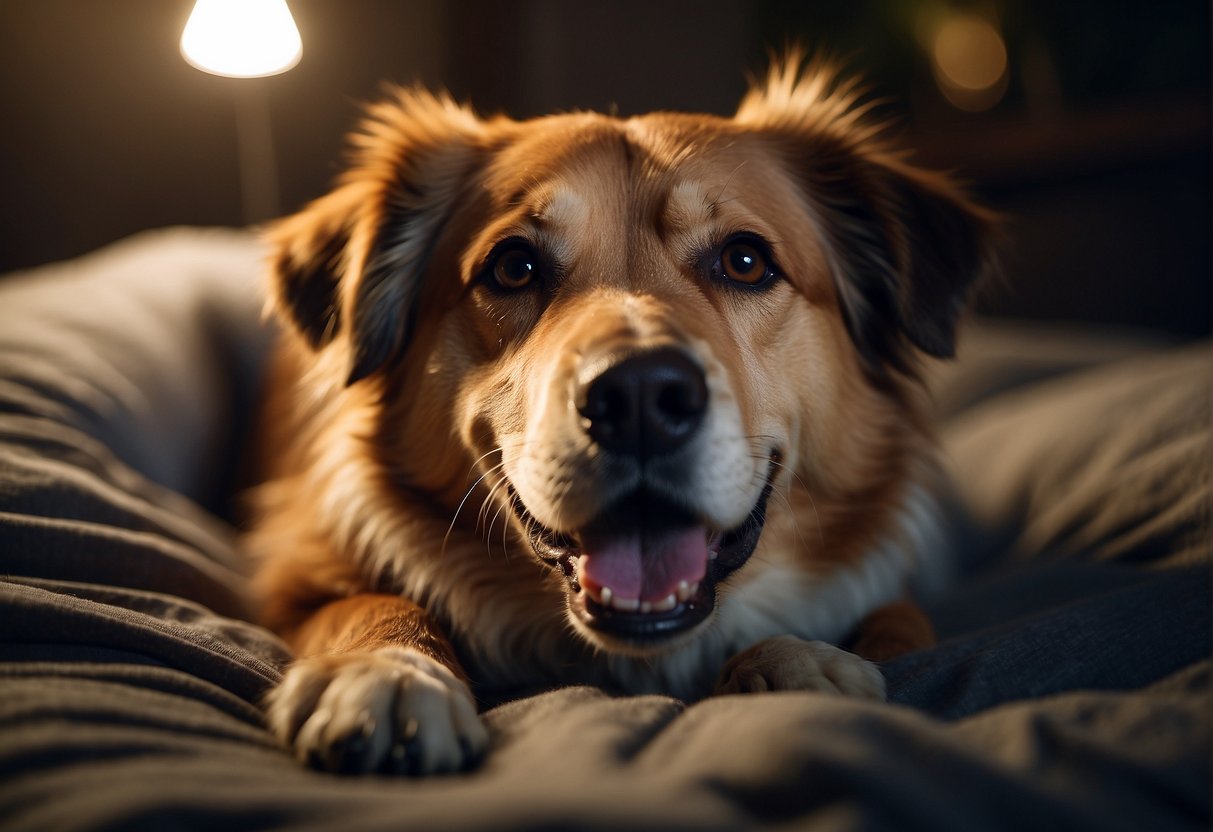
Panting is a normal physiological process for dogs, including seniors, but excessive panting at night may indicate underlying issues that need attention.
Normal vs. Excessive Panting
Normal Panting: This is a common mechanism dogs use to regulate body temperature as they lack abundant sweat glands. A senior dog may pant after exercise or due to the room’s warmth.
- Frequency: Intermittent
- Intensity: Mild and in line with the environment or activity level
- Duration: Short-lived, calming down as they cool or rest
Excessive Panting: This is characterized by heavier, more frequent, and prolonged panting without an obvious reason like heat or exercise.
- Frequency: Persistent, even at rest
- Intensity: More forceful and audible breathing
- Duration: Extends for longer periods, potentially continuously
- Associated Signs: Restlessness, anxiety, stress, or other behavioral changes
Causes of Nighttime Panting
Body Temperature Regulation:
- Senior dogs may struggle more with temperature homeostasis.
- A warm room or bedding can lead to increased panting.
Stress and Anxiety:
- Changes in the environment or routine can lead to nighttime stress.
- Dogs with declining cognitive function can experience confusion and anxiety, leading to panting.
Health-Related Issues:
- Pain: Musculoskeletal problems or internal discomfort can cause a dog to pant at night.
- Respiratory or Cardiovascular Disorders: Illnesses such as heart disease or lung problems can manifest as panting.
- Hormonal Imbalances: Conditions such as Cushing’s disease can result in increased panting.
- Medications: Some drugs may have side effects that include panting.
Common Health Issues in Older Dogs
As dogs age, they may encounter a variety of health issues that can affect their quality of life, especially at night. Below are some of the specific conditions that are prevalent in older dogs.
Arthritis and Joint Pain
Older dogs often suffer from arthritis and related joint pain, conditions that stem from the deterioration of cartilage in the joints. This medical condition can cause significant discomfort, particularly during colder nights or after periods of inactivity. Signs include difficulty in getting up, reluctance to climb stairs, and obvious stiffness.
Cognitive Dysfunction Syndrome
Cognitive Dysfunction Syndrome (CDS) is akin to dementia in humans and can affect dogs in their senior years. Symptoms include disorientation, changes in sleep patterns, and reduced interaction with their owners. This decline in cognitive function can lead to nighttime restlessness and vocalization.
Respiratory and Cardiac Concerns
Respiratory diseases, ranging from chronic bronchitis to lung tumors, can cause difficulty breathing which may intensify during the night. Heart disease also becomes a more common issue in older dogs, potentially leading to congestive heart failure where fluid accumulation in the lungs causes them to pant heavily and struggle for air.
Behavioral Changes and Anxiety
Senior dogs may exhibit nighttime panting due to various behavioral changes and anxiety-related issues. These disruptions are most commonly associated with stress, anxiety, pain, or confusion, which can lead to restlessness and changes in their sleep-wake cycle.
Separation Anxiety and Stress
Elderly dogs sometimes develop separation anxiety, which can become more pronounced during the night. Indicators of separation anxiety include:
- Pacing: A display of restlessness as they search for their owner.
- Whining: Vocalizing distress when left alone.
Stress can stem from environmental changes or a decline in hearing and vision, leading to confusion and anxiety. Maintaining a consistent routine and providing comfort can mitigate these stressors.
Sleep-Wake Cycle Disturbance
A disturbance in the sleep-wake cycle is another factor that contributes to nighttime panting. Symptoms to observe are:
- Restlessness at night: Difficulties in settling down for sleep.
- Confusion or disorientation: Appearing lost or unsure during the night.
These disturbances can be due to cognitive decline or physiological changes affecting their circadian rhythm. Creating a calm sleeping environment and limiting daytime napping can help regularize their nighttime sleep patterns.
Pain Management and Treatment
Pain in senior dogs often results in symptoms like panting at night, and appropriate management is essential for their comfort and health.
Medication Options
When a veterinarian identifies pain as the cause of a senior dog’s nighttime panting, medication may be prescribed as a treatment. Common pain medications include:
- Nonsteroidal Anti-Inflammatory Drugs (NSAIDs): These can help relieve arthritis and other forms of joint pain. Examples include carprofen, meloxicam, and deracoxib.
- Opioids: For severe pain, veterinarians might prescribe opioids such as tramadol, providing a stronger pain relief option.
- Steroids: Prednisone, a steroid, can be used to reduce inflammation but is generally reserved for short-term use due to potential side effects.
Note: All medications should be prescribed by a veterinarian, who will consider the dog’s specific needs and health profile.
Natural Supplements and Therapies
Apart from pharmaceuticals, there are natural approaches to pain management that can complement or, in some cases, serve as alternatives to medications:
- Supplements:
- Glucosamine and Chondroitin: These supplements support joint health and may alleviate joint pain.
- Omega-3 Fatty Acids: Found in fish oil, they have anti-inflammatory properties that can help with arthritis and other inflammatory conditions.
- Therapies:
- Acupuncture: A traditional Chinese therapy that can help manage pain and enhance well-being.
- Physical Therapy: Tailored exercises can strengthen muscles and improve joint mobility, reducing discomfort.
Always consult a vet before starting any new supplements or therapies, as they can guide the proper dosage and frequency tailored to the senior dog’s specific condition.
The Role of Diet and Exercise
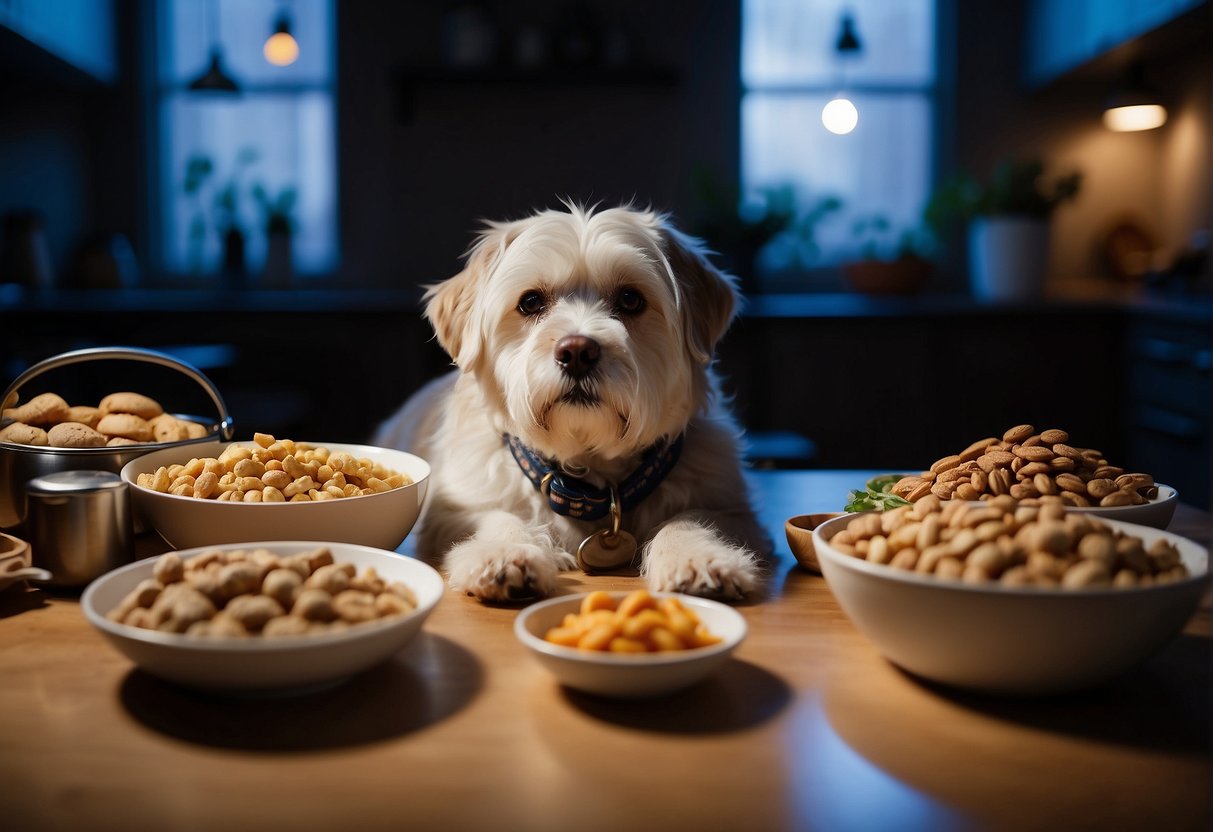
Senior dogs often face challenges related to weight management and mobility. An appropriate diet and carefully tailored exercise regime are crucial to maintain their health and mitigate night-time panting issues associated with obesity and inactivity.
Adapting Exercise Routines for Senior Dogs
Senior dogs benefit from regular, low-impact exercise to maintain muscle tone and joint flexibility. As they age, it’s important to moderate their activity levels to match their physical capabilities.
- Daily Walks: Shorter, more frequent walks are better suited for older dogs than long, strenuous hikes.
- Swimming: A non-weight-bearing activity that allows them to exercise without stressing their joints.
- Playtime: Light play sessions that encourage movement without overexertion.
Owners should monitor their senior dogs during exercise for signs of fatigue or discomfort and adjust the intensity and duration accordingly.
Nutritional Needs and Obesity
A senior dog’s diet must be tailored to their reduced energy requirements and metabolic changes to prevent obesity, which can exacerbate health issues and contribute to increased panting.
- High-Quality Senior Dog Food: Formulated with fewer calories, enhanced with age-appropriate vitamins and minerals, and often contains supplements like glucosamine for joint health.
- Controlled Portion Sizes: Feeding guidelines should be adjusted for the dog’s reduced activity level.
- Regular Weight Checks: Routine monitoring can catch weight gain early, prompting dietary adjustments.
A balanced diet and appropriate exercise help manage a senior dog’s weight and reduce panting caused by obesity-induced stress on the body.
Environmental and Lifestyle Factors
Environmental and lifestyle factors play a significant role in the nighttime behavior of senior dogs. Addressing these factors can mitigate discomfort and stress that lead to panting and pacing.
Hot Weather and Overheating
Senior dogs are more susceptible to the effects of hot weather and can easily become overheated. It is crucial to ensure they have a cool and comfortable space to rest. Tips for preventing overheating include:
- Ensuring proper hydration: Always provide access to fresh water.
- Maintaining air circulation: Use fans or air conditioning to keep air moving.
- Avoiding direct heat sources: Keep beds away from fireplaces and direct sunlight.
Creating a Calming Environment
A calming environment can significantly decrease anxiety and stress in senior dogs. A consistent routine and familiar surroundings can offer comfort and stability. To create a calming environment, consider:
- Routine: Establishing a predictable schedule for feeding, walks, and bedtime helps reduce stress.
- Noise reduction: Soft background music or white noise can mask startling sounds.
- Comfortable bedding: Provide orthopedic beds to ease joint pain and encourage restful sleep.
Diagnosing the Underlying Cause of Panting
Panting in senior dogs at night can indicate various health issues, necessitating careful observation at home followed by a thorough veterinary examination to accurately diagnose the underlying cause.
Symptoms to Monitor at Home
At home, it is crucial to observe and document specific symptoms accompanying the panting:
- Frequency: Note how often the panting occurs, especially if it’s a new behavior.
- Intensity: Assess whether the panting is mild or if the dog appears to be in distress.
- Triggers: Identify any possible triggers for the panting, such as exercise, heat, or stress.
- Behavioral Changes: Look for other signs like restlessness, lethargy, or changes in eating habits.
- Discomfort Indicators: Be alert for limping or reluctance to move, which may suggest pain.
Veterinary Diagnosis and Examinations
A veterinarian will use a combination of observations and diagnostic tests to discern the cause of a senior dog’s night panting:
- Complete Examination: The veterinarian conducts a physical examination to look for any abnormalities.
- Bloodwork: A comprehensive blood panel assesses organ function and checks for anemia, infection, or other systemic issues.
- Urinalysis: This test evaluates kidney function and checks for urinary tract infections or diabetes.
- Imaging: X-rays or ultrasounds may be required to inspect for tumors, heart issues, or abdominal changes.
- History Review: The vet may review the dog’s medical history and any symptoms documented by the owner for contextual insight.
Through these assessments, a veterinarian can determine a diagnosis reflecting the underlying cause, which may range from manageable conditions to more serious health concerns.
The Impact of Chronic Illnesses

Chronic illnesses can cause significant alterations in a senior dog’s breathing patterns, leading to nocturnal panting. These conditions often require medical diagnosis and management.
Cushing’s Disease and Other Hormonal Imbalances
Cushing’s disease, also known as hyperadrenocorticism, is a condition where the dog’s body produces excessive amounts of cortisol. This hormone imbalance can lead to various symptoms including increased panting, particularly at night. Dogs with Cushing’s may also exhibit increased thirst and urination, a pot-bellied appearance, and a predisposition to infections.
Respiratory and Kidney Diseases
Chronic respiratory problems in dogs, such as chronic obstructive pulmonary disease (COPD), can make breathing more laborious, causing them to pant more, especially during restful periods like night-time. Similarly, kidney disease can lead to the build-up of toxins in the bloodstream, which sometimes results in increased respiratory effort and panting due to the body’s attempt to cope with the imbalance.
Senior Dog Care and Routine Adjustments
Senior dogs often require adjustments in their daily routines to maintain comfort and quality of life. These adjustments can be vital in managing health issues that may cause symptoms like nocturnal panting.
Maintaining Comfort and Quality of Life
For an older dog, continuous comfort and a high quality of life are paramount. Owners should consider the living environment, ensuring temperature regulation in the home to prevent discomfort like overheating. A cool and comfortable sleeping area helps in mitigating nighttime panting due to heat or stress.
Provision of orthopedic bedding can alleviate joint pain, a common issue in senior dogs. Additionally, calming aids, such as pheromone diffusers, may benefit dogs facing nighttime anxiety. It’s important to maintain a consistent routine as disruptions can increase stress, potentially leading to panting episodes.
Here is a brief guide to comfort adjustments:
- Sleep Environment: Ensure a quiet, cool, and comfortable space with easy access to water.
- Bedding: Invest in supportive bedding to relieve joint pain or discomfort.
- Ambiance: Use calming aids to create a serene environment, reducing anxiety levels.
Routine Veterinary Check-ups
Regular veterinary check-ups are crucial for an aging dog’s health management. Vets can detect and provide treatment for health issues that may lead to increased nocturnal panting, such as heart conditions or respiratory issues.
Vets may also recommend routine health screenings or adjustments in diet and exercise tailored to the senior dog’s needs. Keeping vaccinations and parasite control up to date is essential for preventing diseases that could compromise an older dog’s already delicate health.
A schedule for routine veterinary care should consider:
- Physical Examinations: At least once or twice a year, more if the dog has existing health concerns.
- Diagnostic Testing: Bloodwork, urinalysis, and other tests as recommended by the veterinarian.
- Dental Care: Regular dental check-ups prevent oral diseases, which can impact overall health.
Regular veterinary care and adjustments in daily routines help manage age-related changes in dogs, ensuring their golden years are as comfortable and fulfilling as possible.
Emergency Situations and First Aid
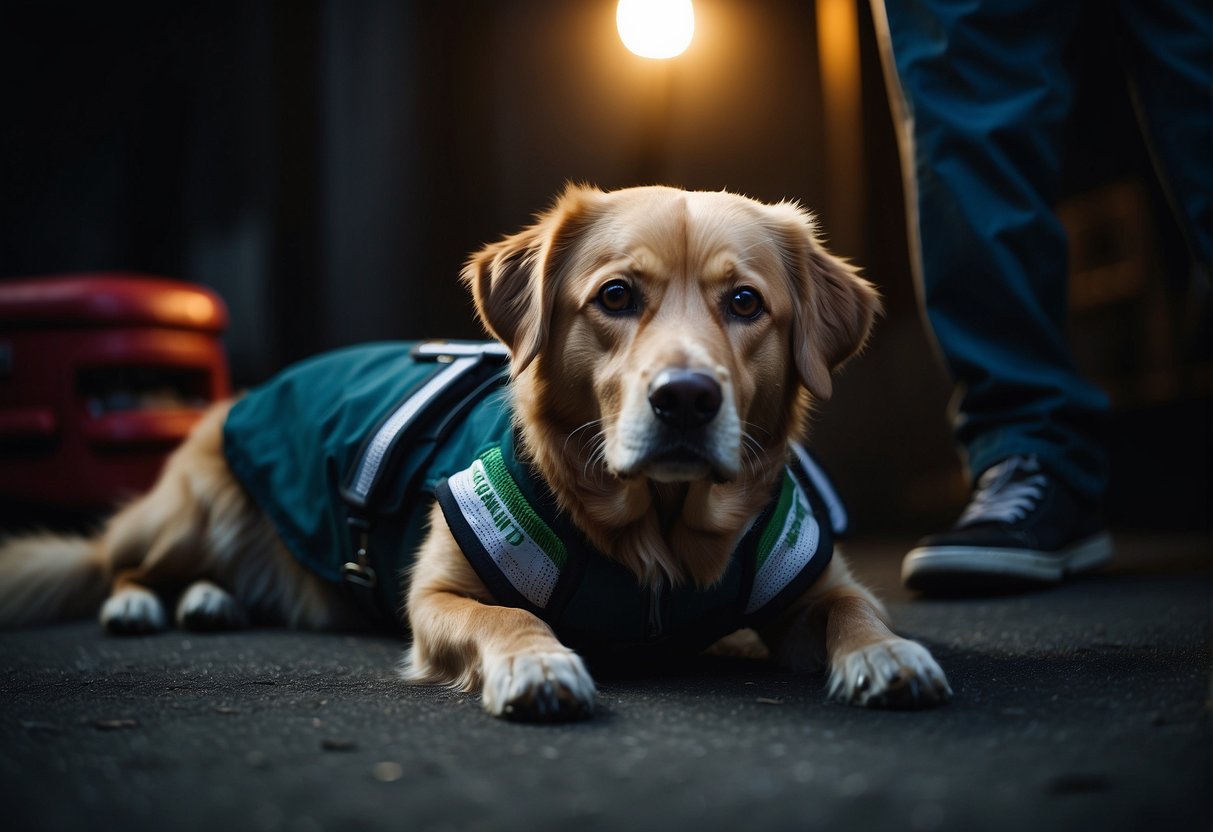
When a senior dog starts panting at night, it may be an indication of an emergency situation that requires prompt attention and specific first aid measures before visiting the veterinarian.
Recognizing Emergencies
A senior dog panting excessively at night may exhibit signs that indicate a potential emergency. Key symptoms to look out for include:
- Excessive Panting not aligned with the room’s temperature
- Gums: Gums that are either pale, blue, or bright red
- Distress: Signs of obvious stress or disorientation
- Dehydration: Dry gums and excessive thirst
- Heatstroke: Body temperature over 104°F (40°C)
- Collapse or Weakness: Sudden inability to stand or weakness
Immediate Actions and Preparing for Vet Visit
If any of these symptoms are present, one should take immediate actions:
- Cool Down: If heatstroke is suspected, gradually cool the dog with room temperature (not cold) water and provide adequate ventilation. Avoid using very cold water as it can cause shock.
- Provide Water: If the dog is not vomiting, offer small amounts of water to prevent dehydration.
- Transport Preparation:
- Calm Environment: Keep the dog calm and in a quiet space to prevent further stress.
- Transport Safely: Prepare a vehicle for transport; keep the dog comfortable and secure.
- Vet Contact: Call the vet immediately, informing them of the symptoms. They can provide guidance and prepare for your arrival.
Upon recognizing an emergency, it is critical that the owner remains calm and acts swiftly to ensure the senior dog receives the necessary care promptly. A visit to the vet should always be the next step if any distressing symptoms are observed during nighttime panting.
Frequently Asked Questions

In addressing the concerns of senior dog panting at night, this section will provide direct answers to commonly asked questions, offering guidance for treatment options, soothing techniques, and understanding potential causes.
What treatments are available for a senior dog panting excessively at night?
A veterinarian may recommend specific treatments based on the underlying cause of excessive panting, which could include medication for conditions like heart disease, respiratory issues, or Cushing’s disease. In some cases, pain management or environmental adjustments may also help.
How can you soothe a senior dog who is panting and restless during the nighttime hours?
Creating a calm and comfortable environment is key to soothing a panting senior dog at night. This could involve providing a quiet space, ensuring a comfortable temperature, and using calming techniques such as gentle massage or soft music to help alleviate anxiety or discomfort.
What are common causes of heavy panting in older dogs while they sleep?
Heavy panting in older dogs during sleep can be caused by various health issues such as heart disease, respiratory problems, or pain. It can also be a normal response to dreams during the REM sleep cycle but should be monitored for frequency and intensity.
Why does a senior dog pant and shake during the night, and what should be done about it?
Panting and shaking in senior dogs during the night could be signs of pain, anxiety, or a neurological issue. It is important for the dog to be examined by a veterinarian to determine the cause and appropriate treatment, which may include medications or changes in care.
What does it mean when an old dog exhibits increased thirst and panting together?
Increased thirst and panting may indicate an underlying health issue such as diabetes or kidney disease. These symptoms should not be ignored, and a prompt veterinary consultation is advised to diagnose the condition and commence suitable treatment.