
Warts in older dogs are a common health issue that many pet owners encounter. These growths on the skin, often benign, can be indicative of underlying health conditions or a natural decline in the canine immune system. Unlike the common warts in young dogs caused by the canine papilloma virus, older dogs develop various types of skin growths, which people might colloquially refer to as warts. It is important for dog owners to differentiate between non-threatening skin tags and potentially serious conditions like squamous cell carcinoma, especially as their canine companions age.

While these skin irregularities can sometimes be confused with more severe health issues, the appearance of warts in older dogs generally correlates with a weakening immune system. Regular health check-ups become essential for early identification and management of any skin-related conditions. A veterinarian’s intervention may include biopsies and treatment plans to address warts or related skin conditions appropriately. Treatment options vary, depending on the nature of the warts, but keeping a watchful eye on an older dog’s skin health plays a vital role in managing and preventing complications that may arise from these growths.
Key Takeaways
- Warts in older dogs are typically benign but may signify a weakened immune system.
- Early detection, diagnosis, and treatment are important for managing skin health in older dogs.
- Consultation with a veterinarian is crucial for proper care and prevention of complications related to warts.
Understanding Warts in Older Dogs

As dogs age, they may develop various skin growths, including warts. These warts are typically benign but can be indicative of changes in the canine’s immune system.
Types of Warts
Warts, or viral papillomas, are skin growths caused by the papillomavirus in dogs. Although warts can look similar to those in humans, canine papillomas can vary in appearance:
- Single pedunculated warts: These may resemble a piece of cauliflower on a stalk protruding from the skin.
- Flat or plaque-like clusters: Multiple warts can cluster together, creating a plated effect on the skin.
Prevalence in Aging Canines
Older dogs are more susceptible to warts because their immune system tends to weaken with age. The prevalence of these benign growths is higher in certain breeds and dogs with compromised immune systems. It is not uncommon for senior dogs to present with multiple warts, signifying a natural decline in immunological defense.
Causes of Warts

Warts in older dogs primarily arise from two sources: infection by canine papillomavirus and changes in skin cell growth due to aging. These growths vary in significance and underlying causes, often necessitating professional veterinary insight for proper diagnosis and treatment.
Canine Papillomavirus Infection
The Canine Papillomavirus is a common viral agent responsible for the emergence of warts in dogs. These warts, scientifically termed viral papillomas, typically manifest as benign growths on the skin or mucous membranes. The virus specifically targets the immune system, capitalizing on weakened defenses commonly found in older dogs to establish infection.
- Modes of Transmission: Direct contact with infected dogs or contaminated objects.
- Viral Lifecycle: Incorporates its DNA into host cells, prompting abnormal skin cell proliferation.
Factors Contributing to Warts
Aside from the clear viral causation, several factors contribute to the development and prevalence of warts in older canines:
- Aged Immune Response: An older dog’s immune system may not be as robust, making it less capable of warding off infections, including those from papillomaviruses.
- Cellular Regeneration Changes: As dogs age, their normal skin cell turnover can lead to rapid and abnormal growths, often resembling warts.
- Breed Propensity: Certain dog breeds may have a genetic predisposition that makes them more susceptible to developing warts.
| Contributing Factor | Explanation |
|---|---|
| Immune System Efficacy | Older dogs have diminished immunity, inviting infections. |
| Cellular Changes | Altered skin cell growth can lead to wart-like structures. |
| Genetic Disposition | Some breeds have higher incidence rates of warts. |
Symptoms and Identification

In identifying warts in older dogs, pet owners and veterinarians look for specific symptoms typically exhibited as unusual skin growths. These growths can often be found on various parts of the dog’s body, mainly concentrating on areas such as the mouth, eyes, and around the ears.
Common Locations
- Mouth: The presence of small, cauliflower-like growths can indicate warts, which often cluster in and around the oral cavity.
- Eyes and Ears: Warts can also manifest around the more sensitive tissues, such as the eyelids or the ear flaps, sometimes causing discomfort or irritation.
- Skin: Wart-like growths may also appear on the skin, especially in parts where aging dogs commonly show signs of dermatological changes.
Recognizing Wart-like Growths
Observers should look for the following indicators to recognize wart-like growths in dogs:
- Texture and Shape: Warts often have a rough, irregular surface and may resemble a head of cauliflower.
- Amount: A single wart may be noticed, or there may be multiple growths.
- Behavioral Signs: Dogs may scratch or chew at the affected area if the wart is causing irritation.
Diagnosis and Biopsy

Proper diagnosis is crucial in understanding the nature of warts in older dogs, and a biopsy is often a fundamental part of this process.
Veterinarian Assessment
A veterinarian’s initial assessment usually involves a careful examination of the dog’s physical condition, noting the size, shape, number, and location of any warts. Veterinarians are trained to distinguish various skin growths, and through their expertise, they can often hypothesize whether a wart is likely benign or potentially malignant.
Laboratory Testing
If visual assessment does not conclusively identify the wart, a biopsy will be conducted to rule out conditions like squamous cell carcinoma. During a biopsy, the veterinarian collects a sample of the wart, which is then observed under a microscope in a laboratory setting. Here’s how the process unfolds:
- Sample Collection: A piece or the entire wart growth is surgically removed.
- Microscopic Examination: Laboratory technicians stain and examine the sample to identify cell types and virus presence.
- Diagnosis: Based on the microscopic findings, a conclusive diagnosis is made.
The biopsy not only aids in diagnosis but also informs the treatment plan.
Treatment Options
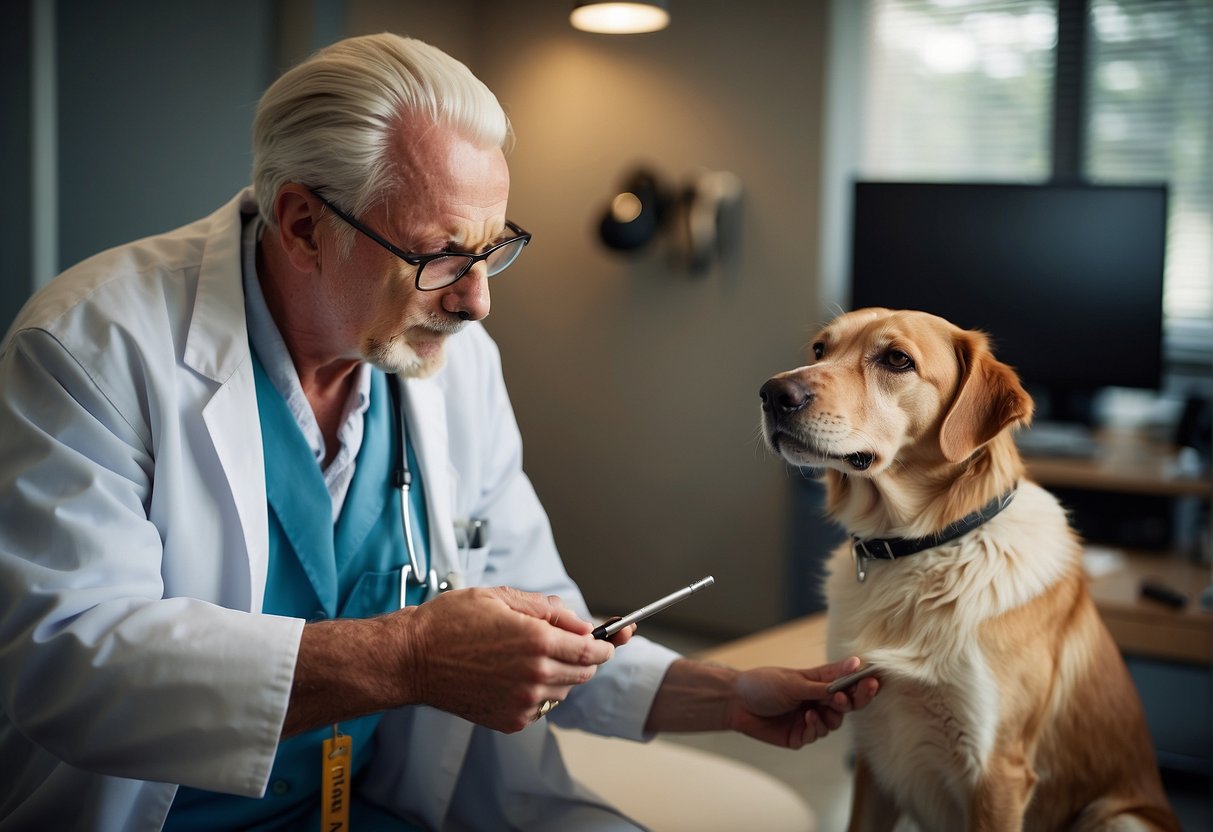
When addressing warts in older dogs, treatment options typically include medical interventions and surgical procedures, depending on the severity and impact of the warts on the dog’s health.
Medical Interventions
In cases where warts are causing discomfort or have a potential to cause complications, veterinarians may prescribe medications. Two notable treatments include:
- Imiquimod: This topical medication stimulates the immune system to fight against the virus causing the warts.
- Interferon: Used less commonly, this drug is administered systemically to enhance the immune response to the viral infection.
Both medications are aimed at boosting the animal’s immune system to combat the viral papillomas.
Surgical Procedures
When warts are not resolved through medical means, or if they become troublesome for the dog, surgical intervention may be necessary.
- Surgical Removal: This is a straightforward procedure where each wart is excised under anesthesia.
- Cryosurgery: A less invasive alternative, cryosurgery involves freezing the warts with liquid nitrogen to remove them.
These procedures are typically reserved for warts that are large, obstructive, or those that do not respond to medical treatment. It is important to note that not all warts require removal, and the veterinarian will recommend surgery based on the individual needs of the dog.
Managing Complications

When it comes to older dogs with warts, complications such as infections and cancerous transformations require careful management. Owners should be vigilant and seek veterinary care promptly.
Infections and Bleeding
Warts can become infected, leading to pain, redness, and potential secondary infection. If a wart is frequently irritated or injured, bleeding may occur. To manage these issues, owners should:
- Monitor warts regularly for signs of change.
- Keep the wart area clean to prevent infection.
- Consult a veterinarian if any sign of infection or persistent bleeding appears.
Cancerous Transformations
Although most warts in older dogs are benign, there’s a risk of a wart becoming cancerous. Squamous cell carcinoma is one type of cancer that can initially present similarly to warts. For proper management:
- Regular check-ups: Schedule routine veterinary exams to monitor for changes.
- Biopsy: A fine-needle aspirate or biopsy may be necessary to rule out cancer.
Owners should note any sudden growth or change in a wart’s appearance and report it to their vet, as this could indicate a cancerous transformation.
Impact and Prognosis

Warts in older dogs are typically skin growths that can range from benign papillomas to potentially cancerous conditions like squamous cell carcinoma, affecting both the quality of life and life expectancy of the dog.
Quality of Life Considerations
Older dogs with warts may experience a range of impacts on their quality of life. Benign warts, usually caused by the canine papilloma virus, are typically harmless beyond cosmetic concerns and may not significantly affect the dog’s day-to-day activities. However, larger or inconveniently located warts can interfere with functions such as chewing or walking, or become irritated and uncomfortable. It’s crucial for pet owners to monitor any changes in the dog’s behavior or the wart’s appearance, as these could indicate discomfort or infection.
Life Expectancy
The life expectancy of older dogs with warts depends on whether the growths are benign or cancerous. Most commonly, warts are benign and do not affect the dog’s lifespan. However, if a wart is diagnosed as squamous cell carcinoma, a form of skin cancer, it could have a more serious impact, depending on the severity and spread of the condition. Immediate veterinary attention and treatment are essential to manage the dog’s health and prolong life expectancy when dealing with cancerous growths. Regular check-ups are advised to detect and address any changes early.
Preventative Measures

Preventing warts in older dogs primarily revolves around bolstering the animal’s immune system and, where available, proper vaccination to ward off viral infections like the Canine Papilloma Virus (CPV).
Vaccination and Immunity Enhancement
- Vaccination: Currently, specific vaccines for the Canine Papilloma Virus are not widely available for general canine populations. However, research and development in this area might lead to accessible vaccinations in the future. Veterinarians may advise on off-label use where appropriate.
- Immunity Enhancement: Fortifying a dog’s immune system is key to preventing warts. This includes:
- Balanced Diet: Feeding dogs a nutritionally balanced diet tailored to their age and health needs.
- Regular Check-ups: Ensuring they have regular vet check-ups to monitor their overall health.
- Supplements: Considering supplements that support immune function after consulting with a veterinarian.
- Stress Reduction: Reducing stress through adequate exercise, mental stimulation, and creating a stable environment.
Regular monitoring of a dog’s skin and oral cavity especially as they age can help in early detection and treatment, potentially reducing the spread or worsening of warts.
Care and Support at Home

When addressing warts in older dogs, home care is essential for maintaining their comfort and monitoring any changes in the warts’ appearance. Early detection and proper care can manage this common health condition effectively at home.
Home Remedies and Regular Checks
Home Remedies:
While home remedies should never replace professional veterinary treatment, they can be used complementarily. Owners can consider:
- Aloe Vera: Applying aloe vera gel can soothe and reduce inflammation.
- Vitamin E: Applying vitamin E oil from punctured capsules may help in healing the skin.
- Apple Cider Vinegar: Diluted apple cider vinegar applied topically can be used, but only after consulting with a veterinarian, as the acidity could irritate the dog’s skin.
Note: Always consult with a veterinarian before trying new home remedies to ensure they are safe for the specific health condition of the dog.
Regular Checks:
Regular monitoring of warts is crucial for elderly dogs with this chronic health problem. Owners should:
- Examine warts routinely for changes in size, color, or number.
- Note abnormal behaviors such as excessive scratching or licking of the warts.
- Keep records of any changes to discuss with a veterinarian during check-ups.
Maintaining a schedule for these checks aids in early detection of potential complications.
When to Consult a Veterinarian

Dog owners may be alarmed when they find unfamiliar growths, such as warts, on their aging pets. Warts, or papillomas, can appear on older dogs, prompting questions about their health and need for medical treatment. Understanding when to seek the advice of a veterinarian is important for the well-being of the animal.
Immediate Consultation:
- Abnormal Changes: If a wart changes in size, color, or shape, a veterinarian should examine it to rule out malignant conditions.
- Discomfort: Should the dog exhibit signs of pain, itching, or discomfort around the wart, professional assessment is prudent to prevent infection or address pain.
- Multiple Growths: The emergence of numerous warts or a sudden increase in numbers suggests a visit to the vet to explore underlying causes.
Routine Check-ups:
- Regular visits to the veterinarian for general health checks are recommended. Mention new warts to ensure they’re benign and not symptomatic of other health conditions.
Veterinarian Services:
- Diagnosis: A physical examination is typically sufficient for a veterinarian to diagnose a wart. However, further testing might ensue if the growth is questionable.
- Treatment Options: Medical treatment varies from monitoring to surgical removal, depending on the wart’s impact on the dog’s quality of life.
Action Items for Owners:
- Monitor Warts: Keep track of any changes in existing warts or the appearance of new ones.
- Maintain Records: Document the warts’ progression to inform the veterinarian.
- Preventative Care: Ensure your dog is in good health to mitigate complications related to warts.
In conclusion, owners should consult their veterinarian to clarify any concerns about warts on their dogs and determine the appropriate care for these common growths.
Understanding Canine Skin Health

The skin health of dogs varies with breed and age, often presenting specific dermatological issues such as skin tags, tumors, and other growths. Attention to these variations can lead to better management and care of canine skin conditions.
Differences Between Breeds
Skin Sensitivity: Some dog breeds have more sensitive skin than others, making them more prone to irritation and skin issues. For instance, short-haired breeds may be more susceptible to cuts and abrasions due to less natural protection, whereas long-haired breeds may suffer from tangled fur that can cause skin irritation.
Skin Thickness: The thickness of a dog’s skin can also vary by breed. Thicker-skinned breeds typically have better protection against physical irritants but may still develop growths like skin tags or tumors. On the other hand, thin-skinned dogs could be more prone to injuries and skin abrasions.
Common Dermatological Issues
Skin Tags and Lumps: As dogs mature, they commonly develop benign skin tags and lumps. While not typically harmful, these growths can be indicators of underlying health issues or may become irritated by friction.
- Skin Tags: Small, flesh-colored growths that hang from the skin’s surface.
- Lumps and Bumps: Can range from harmless fatty tumors (lipomas) to more serious conditions.
Tumors and Bumps: Not all tumors are malignant, but the appearance of new lumps or bumps on an older dog’s skin should prompt a veterinarian examination.
- Benign Tumors: Often do not require treatment unless they impede movement or function.
- Malignant Tumors: Require immediate veterinary attention as they can be indicative of cancer.
Skin Irritations: Dogs with more sensitive skin may experience frequent irritation, leading to scratching and potential injuries. Regular grooming and vet check-ups can help identify and treat any skin irritations before they aggravate.
Frequently Asked Questions

This section addresses common inquiries regarding warts in senior dogs, focusing on treatments, differentiation from serious conditions, and steps to take in specific scenarios.
What are the most effective treatments for warts in senior dogs?
The most effective treatments typically involve surgical removal, cryotherapy, or immunotherapy. A veterinarian may also recommend topical ointments depending on the wart’s characteristics and the dog’s overall health.
How can one differentiate between benign warts and cancerous growths on dogs?
Benign warts usually have a cauliflower-like appearance and are not life-threatening. Cancerous growths can be irregularly shaped and may grow more rapidly. A biopsy performed by a veterinarian is definitive for distinguishing between the two.
What are the recommended steps if a wart on a dog starts bleeding?
If a wart starts bleeding, it’s important to clean the area with mild antiseptic and to apply pressure with a clean, damp cloth to stop the bleeding. Consult a veterinarian to determine if further treatment or removal is necessary.
What does a canine papilloma look like, and at what stages should an owner be concerned?
A canine papilloma typically looks like a small, rough, cauliflower-shaped growth. Owners should consult a veterinarian if the wart changes rapidly in size, becomes infected, or causes significant discomfort to the dog.
What are the possible reasons for a senior dog to develop warts?
Senior dogs may develop warts due to a declining immune system that makes them more susceptible to the canine papilloma virus or other non-viral factors such as skin irritations and hormonal changes.
Is the canine papilloma virus a concern for older dogs, and how does it manifest?
The canine papilloma virus is less of a concern for older dogs compared to younger dogs; however, it can still manifest as benign warts particularly in those with weakened immune systems. The virus is more often seen in dogs with frequent contact with other dogs.